
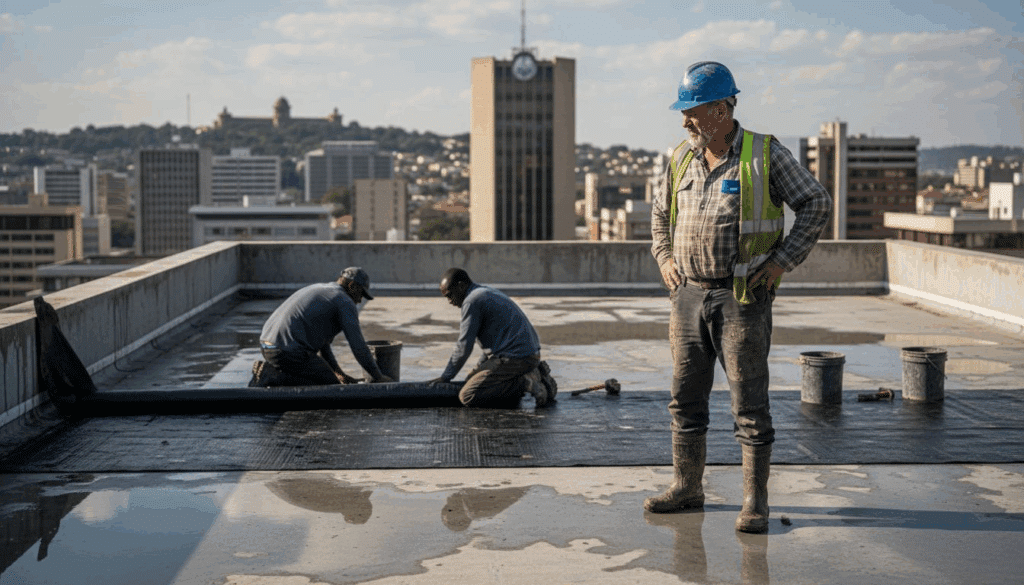
A leaking ceiling or damp patches creeping up your walls can quickly turn a renovation dream into a costly nightmare. In Gauteng, where rainstorms and humidity pose ongoing threats to homes, protecting your property from moisture is more than just a precaution. Effective waterproofing is the first line of defence against leaks, mould, and structural damage, helping you avoid expensive repairs and preserving your home’s value. Understand the essentials of waterproofing now to safeguard your investment before any renovation begins.
Table of Contents
- What Waterproofing Is And Why It’s Essential
- Common Waterproofing Methods For Buildings
- How Waterproofing Prevents Structural Damage
- Risks And Costs Of Inadequate Waterproofing
- Choosing Qualified Waterproofing Contractors
Key Takeaways
| Point | Details |
|---|---|
| Importance of Waterproofing | Waterproofing is essential for protecting buildings from moisture damage that can lead to costly repairs and health issues like mould growth. |
| Common Methods | Various waterproofing methods exist, including liquid, sheet, cementitious, and tanking systems, each suited for specific areas and conditions. |
| Cost of Inadequate Waterproofing | Failing to waterproof effectively can result in significant repair costs, ranging from structural repairs to mould remediation, far exceeding the investment in proper waterproofing. |
| Choosing Qualified Contractors | Selecting a certified and experienced waterproofing contractor is crucial, as improper installation can lead to severe consequences and additional expenses. |
What Waterproofing Is and Why It’s Essential
Waterproofing is the process of applying protective barriers and sealants to building structures to prevent water from penetrating and causing damage. At its core, it’s about creating a shield against moisture ingress—water that seeps through cracks, gaps, and porous materials and can compromise the structural integrity of your home. In Gauteng’s climate, where summer thunderstorms arrive suddenly and unpredictably, this protection becomes non-negotiable. Your roof, basement, foundation, and bathroom surfaces are constantly under assault from moisture, and without proper waterproofing, water finds its way into places it shouldn’t be, leading to expensive repairs and health hazards like mould growth.
Think of waterproofing like insurance for your property. You wouldn’t leave your car unprotected in a hailstorm, and similarly, you shouldn’t leave your home exposed to water damage. Building waterproofing protection involves multiple layers of defence: membrane coatings that seal surfaces, drainage systems that redirect water away from foundations, and properly sealed joints and penetrations that prevent water from finding entry points. When you invest in professional waterproofing now, you’re avoiding the nightmare scenario of discovering water stains on your ceiling, peeling paint on interior walls, or worse, a compromised foundation that could cost tens of thousands of rands to repair.
Why does this matter specifically in Gauteng? The region experiences significant rainfall during summer months, and the combination of clay-rich soil, inconsistent ground composition, and older building practices means that many residential properties are vulnerable to water ingress. Properties built on slopes are particularly at risk during heavy downpours, when water pools against foundations. Even homes on level ground face dangers when gutters overflow or drainage systems fail. Waterproofing isn’t a luxury upgrade—it’s a fundamental protection measure that preserves your property’s structural soundness, maintains your family’s health by preventing dampness and mould, and protects your financial investment.
The consequences of neglecting waterproofing are substantial. Unchecked water damage weakens concrete and masonry, causes timber rot, corrodes metal fixtures, and creates an environment where mould thrives. Beyond the physical damage, you’re looking at reduced property value, potential health issues for household members with respiratory sensitivities, and the stress of dealing with emergency repairs when water damage becomes visible. Professional waterproofing systems address these issues proactively through proper installation of membranes, sealants, and drainage solutions tailored to your property’s specific vulnerabilities.
Pro tip: Before undertaking any major renovation, have a waterproofing assessment completed to identify existing moisture problems and vulnerability areas—catching issues early prevents expensive structural repairs later.
Common Waterproofing Methods for Buildings
There’s no one-size-fits-all approach to waterproofing. The method you choose depends on several factors: the specific area you’re protecting, your roof type, the local climate, and your budget. In Gauteng, where you might have a flat roof on your garage, a pitched roof on your main house, and a basement foundation all needing protection, you’ll often end up using multiple techniques across different parts of your property. The key is understanding what each method does and where it works best.
Liquid waterproofing is one of the most popular choices for residential properties, particularly on flat roofs and areas with complex shapes. This method involves applying a liquid membrane that cures into a flexible, protective coating. Think of it like painting on a layer of protection that bonds directly to your roof surface. Liquid membranes are incredibly useful because they create a seamless barrier without seams that could leak. They adapt well to temperature changes and building movement, making them ideal for Gauteng’s variable climate. On the flip side, they require proper surface preparation and skilled application to avoid thin spots or missed areas.
Sheet waterproofing uses pre-manufactured waterproof sheets that get installed over your roof or walls. These sheets typically come in rolls and are either heat-fused or mechanically fastened to the substrate. This method works particularly well on pitched roofs and large, relatively flat areas because the sheets cover expansive zones quickly. Waterproofing membranes can be reinforced or non-reinforced, and many installers combine sheet membranes with liquid applications at joints and penetrations for added protection. The advantage here is speed and durability, though the upfront cost tends to be higher than liquid-only applications.
Cementitious waterproofing involves applying cement-based coatings directly to concrete, masonry, and other porous surfaces. These coatings chemically bond with the substrate and create a hard, protective layer. For basement walls, foundation exteriors, and areas exposed to constant moisture like bathroom walls, cementitious products offer excellent performance. They’re particularly effective because they can fill small cracks and voids in the substrate. However, they work best on new construction or well-prepared surfaces, and they’re less flexible than membranes, so they can crack if the underlying structure shifts significantly.
For below-ground structures like basements, retaining walls, and foundations, many professionals use tanking systems. This approach combines multiple waterproofing methods to create redundancy. You might use a cementitious coating on the interior or exterior walls, a membrane sheet along the foundation perimeter, and a drainage system to manage groundwater pressure. In Gauteng’s clay-rich soils, proper drainage is absolutely critical because water naturally accumulates around foundations, and tanking protects against both direct water penetration and hydrostatic pressure.
Here’s something most homeowners don’t realise: the best waterproofing outcome usually combines multiple methods. Your roof might use liquid membranes for flat sections and sheet membranes for pitched areas. Your basement might combine cementitious coatings, membrane barriers, and external drainage. This layered approach means that even if one system has minor imperfections, the others provide backup protection.
Below is a comparison of common waterproofing methods and where they are most effective:
| Method | Best for Areas | Key Advantage | Main Limitation |
|---|---|---|---|
| Liquid waterproofing | Flat roofs, balconies | Seamless, flexible coating | Skilled application needed |
| Sheet waterproofing | Pitched roofs, walls | Durable, fast to install | Higher initial material cost |
| Cementitious waterproofing | Foundations, bathrooms | Fills cracks and voids | Can crack if structure shifts |
| Tanking systems | Basements, retaining walls | Multi-layer protection | Labour intensive, higher cost |
Pro tip: Get a professional assessment of your property’s specific vulnerabilities before deciding on a waterproofing method, as combining techniques often delivers better long-term protection than relying on a single approach.
How Waterproofing Prevents Structural Damage
Water is patient. It finds microscopic cracks in concrete, seeps through mortar joints, and works its way into timber framing with relentless persistence. Without waterproofing, your home’s structural components face a slow but inevitable assault. When water penetrates your roof, foundation, or basement walls, it doesn’t just create a cosmetic problem. It attacks the very materials holding your house together. Concrete weakens as water freezes and thaws inside its pores, timber rots from sustained moisture exposure, and steel reinforcement corrodes, losing its strength. Structural waterproofing protection prevents these cascading failures by creating barriers that keep water where it belongs—outside your property.
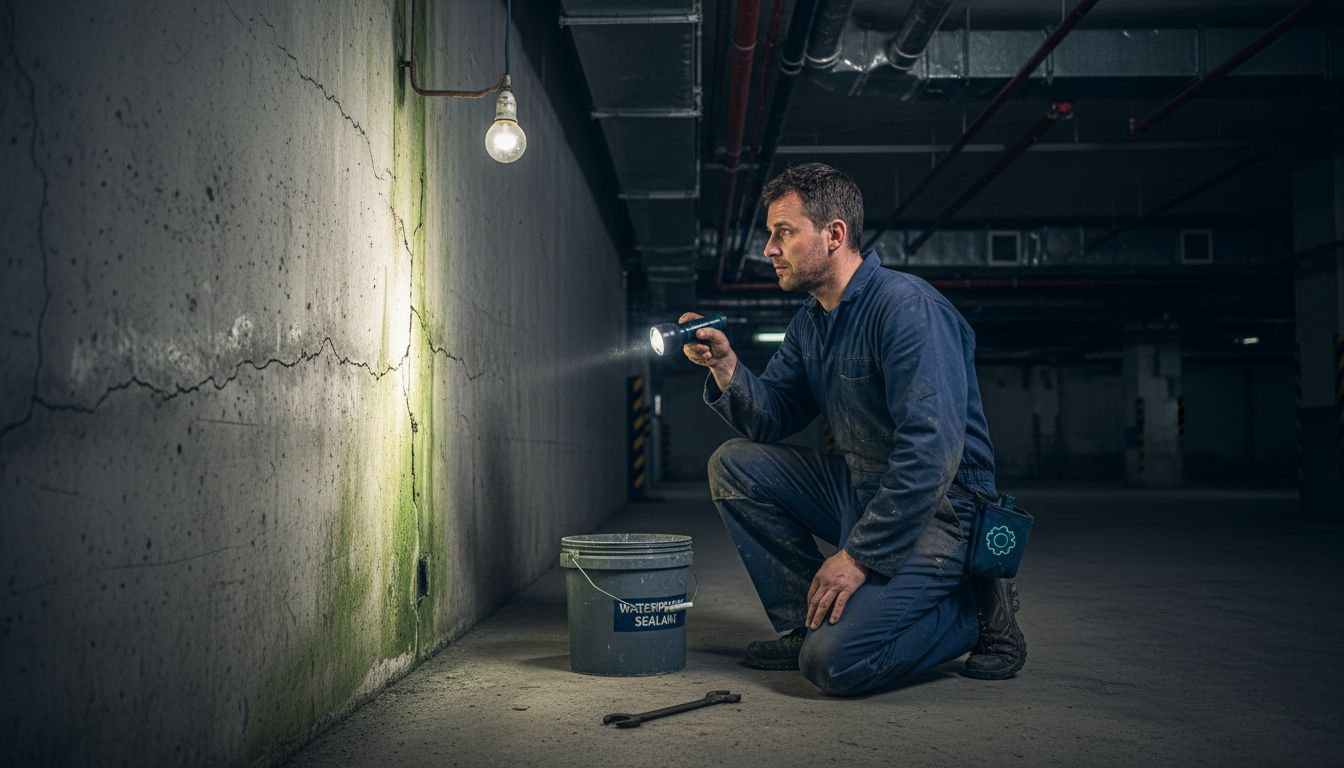
Consider what happens when water breaches your roof and reaches the timber frame beneath. Wood is organic material, and moisture creates an ideal environment for fungal growth. Wood rot doesn’t happen overnight, but over months and years, affected timber becomes soft and spongy, losing its structural capacity. In Gauteng’s warm, humid summers, this process accelerates. A roofing leak discovered during renovation inspections often reveals damage that started years earlier—timber already degraded beyond safe repair. The financial cost to replace rotted structural beams is substantial, but the real danger is that you’re living under weakened supports without realising it. Waterproofing catches the problem at its source by preventing water ingress entirely. Similarly, concrete and masonry suffer from water penetration in ways many homeowners don’t immediately notice. Water carries salts and minerals that crystallise inside the material, creating internal pressure that cracks the structure from within. Reinforcing steel embedded in concrete begins to rust when exposed to moisture, and corrosion expands the steel, fracturing the surrounding concrete. This process weakens load-bearing walls, foundations, and structural columns. Proper waterproofing prevents this degradation before it starts.
Your electrical systems and mechanical infrastructure are equally vulnerable. Water intrusion can damage wiring, corrode metal components, and create short circuits that pose fire hazards. Mould flourishes in damp environments, and whilst mould itself doesn’t directly weaken structure, it indicates moisture problems that are simultaneously damaging materials you cannot see. Balconies, terraces, and parking decks face particular risk because they experience constant exposure to weather and foot traffic that can stress protective coatings. Water pooling on these surfaces finds its way through to concrete beneath, initiating corrosion in the reinforcement steel. Retaining walls holding back soil and groundwater face enormous hydrostatic pressure, and without proper waterproofing combined with drainage systems, this pressure forces water through the structure, eventually leading to structural failure. The cost of replacing a failed retaining wall or repairing a compromised foundation is measured in tens of thousands of rands. In Gauteng’s clay-rich soils, these risks are amplified because clay holds water against structures, maintaining constant moisture exposure.
The beauty of proactive waterproofing is that it costs a fraction of what repairs cost. A properly installed waterproofing system on your roof might cost 15 to 25 percent of what you would pay to replace rotted timber, repair concrete damage, and deal with secondary problems like mould remediation and interior water damage. Over a building’s lifespan, waterproofing extends structural longevity by decades, maintaining the integrity of walls, foundations, and support systems. It also protects your health by preventing dampness and mould that can trigger respiratory issues, particularly in family members with asthma or allergies. Most importantly, waterproofing preserves the structural soundness that keeps your family safe and your property value intact.
Pro tip: Schedule a professional structural inspection before beginning any renovation to identify existing water damage and hidden deterioration, ensuring your waterproofing work addresses actual vulnerabilities rather than assumptions.
Risks and Costs of Inadequate Waterproofing
Putting off waterproofing or cutting corners with cheap, poorly installed systems is like playing Russian roulette with your property. The immediate costs of skipping waterproofing seem attractive, but the consequences arrive quietly and build relentlessly until you’re facing catastrophic repair bills. When waterproofing fails or was never properly applied, water doesn’t just cause surface damage. It infiltrates structural systems, triggers cascading failures, and creates health hazards that affect everyone living in your home. The financial toll is staggering, but the real cost extends beyond money into stress, safety risks, and diminished property value.
Structural damage from inadequate waterproofing can cost between 50,000 and 200,000 rands or more to repair, depending on severity. When water breaches your roof and saturates the timber frame, you’re looking at wood rot remediation that requires removing and replacing affected structural members. This isn’t a weekend DIY project. It’s a major construction undertaking that can take weeks and requires engineering oversight to ensure the repairs maintain your home’s structural integrity. Concrete and masonry damage is equally expensive. Water that infiltrates concrete foundations causes reinforcement steel to corrode, and as the steel expands, it fractures the surrounding concrete from within. Repairing a compromised foundation might require underpinning, which involves installing supporting structures beneath the existing foundation. A single failed foundation wall can cost 30,000 to 80,000 rands to repair properly. Basement waterproofing failures compound these costs. If water pools in your basement, you’re facing not just structural damage but also the expense of proper dehumidification, waterproofing remediation, and addressing any electrical system damage caused by water intrusion.
Beyond structural repairs, water damage consequences include extensive costs for mould remediation, replacing water-damaged building materials, and repairing electrical installations. Mould remediation alone can run from 5,000 to 50,000 rands depending on the extent of infestation. Your ceiling plasterboard becomes sodden and must be replaced. Interior wall linings, flooring, and insulation all absorb water and lose their functionality. Electrical wiring corroded by moisture poses serious fire hazards and requires complete rewiring of affected circuits. If water reaches electrical panels or distribution boards, you’re looking at replacement costs and the safety risk of exposed electrical hazards. Paint peels, wallpaper bubbles, and carpet becomes mouldy and unusable. What started as a small roof leak now requires gutting entire rooms and rebuilding them from scratch.
The health consequences of inadequate waterproofing create ongoing costs you might not immediately quantify. Mould and dampness trigger respiratory problems, particularly in children and elderly family members. Asthma attacks increase, allergies worsen, and some family members may develop chronic health issues linked to living in damp, mould-contaminated spaces. These health effects can be subtle at first. A cough that doesn’t seem to go away. Repeated sinus infections. Skin irritation. Over months and years, the cumulative effect strains family health and creates hidden healthcare costs. Property value decreases significantly when water damage becomes visible or known. A home with a history of water damage, even if repaired, loses market value because buyers recognise the risk of future problems. You might struggle to sell at all without full disclosure of water damage history. Insurance complications arise when water damage is discovered. Some insurance policies exclude coverage for water damage caused by poor maintenance or lack of waterproofing, leaving you responsible for the full repair cost. Even if coverage applies, deductibles can be substantial, and your premiums increase after a claim.
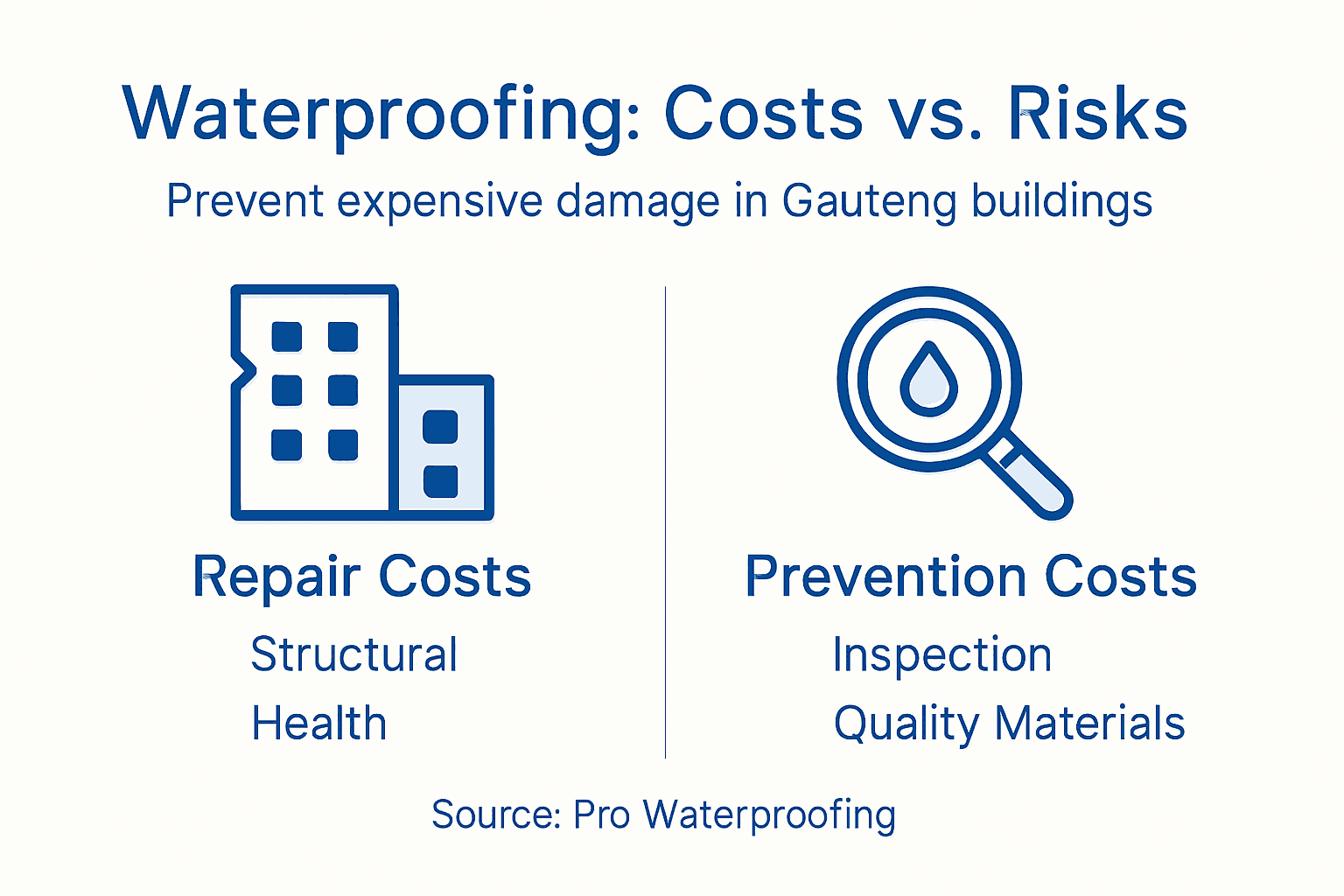
The contrast between prevention and repair costs is stark. Investing 15,000 to 40,000 rands in professional waterproofing of your roof, basement, or foundation now prevents repair costs of 100,000 to 300,000 rands down the road. That’s not just financial sense, that’s the difference between maintaining your home as a sound asset and watching it deteriorate into a liability.
Here’s a summary of potential costs associated with inadequate waterproofing compared to prevention:
| Issue Type | Typical Repair Cost (rands) | Prevention Cost Estimate (rands) | Financial Impact |
|---|---|---|---|
| Structural repair | 50,000 – 200,000 | 15,000 – 40,000 | Major savings if prevented |
| Mould remediation | 5,000 – 50,000 | Included in prevention | Avoids recurring costs |
| Foundation underpinning | 30,000 – 80,000 | Included in prevention | Significant cost reduction |
| Electrical reinstallation | 10,000 – 50,000 | Included in prevention | Reduces fire risk and costs |
Pro tip: Get waterproofing quotations now and factor them into your renovation budget rather than deferring the work, as delaying waterproofing exponentially increases the cost and severity of damage you’ll eventually face.
Choosing Qualified Waterproofing Contractors
Not all waterproofing contractors are created equal. Hiring the wrong person can cost you tens of thousands of rands in failed systems, wasted materials, and the need to hire someone else to fix their mistakes. The difference between a qualified professional and an unqualified operator often becomes apparent only after water starts leaking through your roof or walls. By then, it’s too late. Selecting a contractor with proper credentials, insurance, and experience is the single most important decision you’ll make in your waterproofing project. A qualified contractor understands substrate requirements, knows which systems work in Gauteng’s climate, and applies materials correctly to ensure lasting protection.
Start by verifying that your contractor holds the appropriate qualifications. Professional waterproofing certification standards ensure individuals have completed formal training in applying various waterproofing systems and understand how different surfaces require different approaches. A contractor certified through the National Certificate in Waterproofing has demonstrated competency in substrate-specific applications and compliance with South African National Standards. Ask to see their certificates and verify they’re current. Many contractors will resist this question or become vague about their credentials. That’s a red flag. A genuinely qualified contractor is proud of their certifications and can produce them immediately.
Beyond individual certification, check whether your contractor is registered with the Professional Roof Repair and Waterproofing Association (PRAWA). PRAWA membership isn’t automatic. Contractors must undergo vetting, maintain insurance coverage, and commit to continuous professional development. When you hire a PRAWA-registered contractor, you’re getting someone who operates under industry standards and accountability structures. If something goes wrong, you have recourse through PRAWA’s dispute resolution processes. Additionally, verify that your contractor carries comprehensive public liability insurance and professional indemnity insurance. This protects you if the contractor’s work causes damage or fails prematurely. Ask to see proof of insurance and confirm the coverage amounts are substantial enough to cover potential repair costs. Many unqualified operators claim to have insurance but actually don’t, or carry minimal coverage that wouldn’t protect you in a serious problem.
Ask specific questions about their experience with your property type and the specific areas you need waterproofed. A contractor who specialises in industrial warehouses might lack expertise in residential roof waterproofing. Someone experienced with flat roofs might not understand the complexities of pitched roof systems. Request references from recent projects similar to yours. Then actually contact those references and ask whether they’re happy with the work, whether the contractor finished on time and on budget, and whether any problems have emerged. Ask your contractor about the specific materials they’ll use and why they’ve chosen them. A quality contractor can explain why a particular membrane system suits your roof type and Gauteng’s climate better than alternatives. They understand that using the cheapest materials available often results in premature failure.
Get detailed, written quotations from at least three contractors. Compare not just the price, but what’s included. Does the quote cover proper surface preparation? Disposal of old materials? Warranties on the work? A suspiciously low quotation often means the contractor plans to cut corners, skip critical steps, or use substandard materials. The lowest price rarely represents the best value. Professional waterproofing work should cost within a reasonable range, and if one quotation is dramatically cheaper than others, investigate why before accepting it. A solid contractor stands behind their work with written warranties covering both materials and workmanship. These warranties should be transferable if you sell the property, adding value to your home.
Pro tip: Request three references from projects completed in the last two years and contact them directly to confirm satisfaction, then compare detailed written quotations covering surface preparation, materials, labour, and warranty terms before making your final decision.
Protect Your Gauteng Property with Expert Waterproofing Solutions
Understanding why waterproofing matters in Gauteng is the first step to safeguarding your home or commercial building from costly and damaging water ingress. If your property is facing risks like timber rot, cracked concrete, or mould growth as explained in the article, then professional waterproofing is essential. At Pro Waterproofing, we specialize in applying trusted techniques such as liquid and sheet waterproofing, cementitious coatings, and tanking systems tailored specifically to Gauteng’s unique climate and soil conditions.
Do not wait for visible damage to appear. Our expert team ensures each project incorporates proper surface preparation, durable membranes, and effective drainage solutions that protect your property’s structure and your family’s health. Explore our insights and trusted contractor guidance to avoid the stress and high costs of repairs. For a tailored assessment and quote, visit Uncategorized – Pro Waterproofing today.
Take control of your property’s future now. Visit Pro Waterproofing to request a professional evaluation and start protecting your investment before moisture causes irreversible damage. With expert advice, certified contractors, and comprehensive solutions all in one place, you can confidently move forward with your waterproofing project.
Frequently Asked Questions
What is the purpose of waterproofing in buildings?
Waterproofing is the process of applying protective barriers to building structures to prevent water from penetrating and causing damage. It protects the structural integrity of your home by keeping moisture out and preventing issues like mould growth and water stains.
How does inadequate waterproofing affect my property?
Inadequate waterproofing can lead to structural damage, such as weakened concrete, timber rot, and corrosion of metal fixtures. This can result in significant repair costs, decreased property value, and potential health hazards due to mould growth.
What are the common methods of waterproofing?
Common methods of waterproofing include liquid waterproofing, sheet waterproofing, cementitious waterproofing, and tanking systems. Each method has its advantages and is suited for specific areas based on the structure and environmental conditions.
Why is waterproofing particularly important in certain climates?
In climates prone to heavy rainfall and moisture, like Gauteng, the risk of water ingress increases significantly. Buildings in such regions are more vulnerable to structural damage from water, making waterproofing an essential measure to protect properties against moisture-related issues.
Recommended
- Understanding the Importance of Waterproofing in South Africa – Pro Waterproofing
- Why Waterproofing Matters for South African Properties
- Role of Quality in Waterproofing – Protecting Gauteng Homes
- Waterproofing for houses and other buildings is not negotiable
- Understanding the Benefits of a House with Insulation – WorkWearComfort