
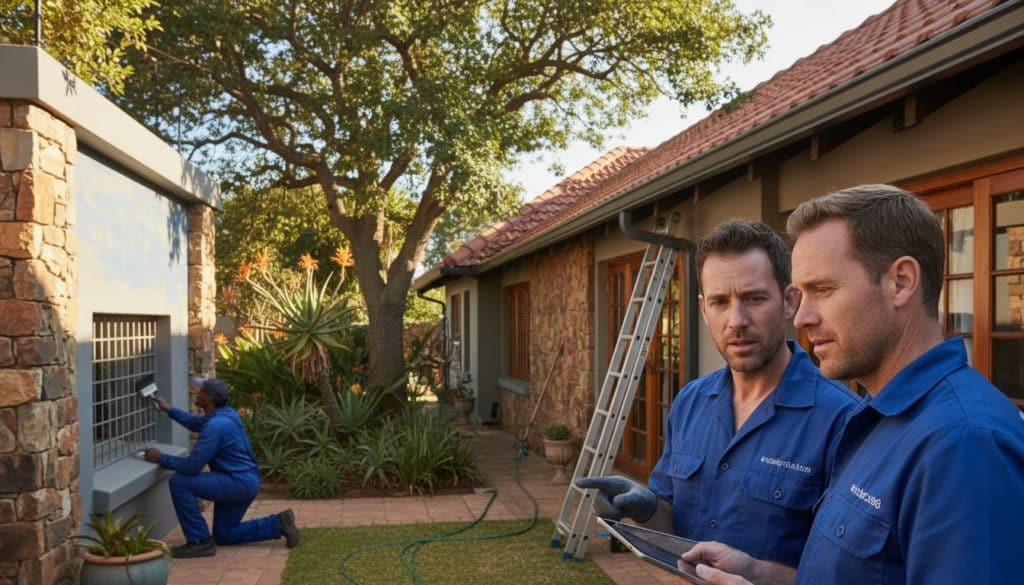
Water damage is one of the biggest threats to any property, with studies showing that repairs can cost british property owners thousands each year. Ignoring small leaks or cracks often leads to much larger problems that risk both the structure and value of your home. By making simple inspections and targeted maintenance part of your routine, you protect your investment and avoid unexpected headaches down the line. Action now brings peace of mind no matter the weather.
Table of Contents
- 1. Inspect For Water Damage Regularly
- 2. Seal Roofs And Gutters Effectively
- 3. Use High-Quality Waterproofing Materials
- 4. Address Damp Walls Promptly
- 5. Waterproof Basements And Foundations
- 6. Maintain Expansion Joints And Flashings
- 7. Choose Trusted Waterproofing Contractors
Quick Summary
| Key Insight | Explanation |
|---|---|
| 1. Conduct Regular Water Inspections | Routine inspections help identify early signs of water damage which can escalate if neglected. Perform checks every three months to safeguard your property. |
| 2. Seal Roofs and Gutters Properly | Effective sealing of roofs and gutters is vital to prevent moisture infiltration. Regular maintenance can save you from costly repairs in the future. |
| 3. Use Quality Waterproofing Materials | Invest in high-quality waterproofing materials for long-term protection. Opt for products with robust moisture resistance and warranties suited for your area’s climate. |
| 4. Address Damp Walls Immediately | Damp walls can lead to significant structural problems. Consult professionals promptly to diagnose and fix the underlying moisture issues instead of masking them. |
| 5. Choose Reputable Waterproofing Contractors | Selecting experienced and certified waterproofing contractors ensures effective water damage prevention. Thorough vetting of professionals enhances the quality of work on your property. |
1. Inspect for Water Damage Regularly
Every South African property owner should develop a routine water damage inspection strategy. Regular inspections are your first line of defence against potentially catastrophic structural damage that can compromise your property’s integrity and value.
Water damage often starts small but can escalate rapidly. You need a systematic approach to catch warning signs early. According to the National Water Act, routine inspections are not just recommended but legally authorized to ensure proper water management and prevent extensive property damage.
What to Look For During Inspections:
- Discoloured or peeling wall paint
- Unexplained damp patches
- Musty odours in specific rooms
- Visible mould growth
- Warped wooden surfaces
- Hairline cracks in walls or foundations
Begin by conducting thorough visual assessments every three months. Check both interior and exterior surfaces systematically. Pay special attention to areas prone to moisture such as basements, bathrooms, kitchens, and external walls. Use a bright torch and take close-up photographs to document any changes between inspections.
Pro Tip: Consider creating a property inspection checklist to ensure consistent and comprehensive examinations. This structured approach helps track potential water damage progression and provides valuable documentation for potential insurance claims or professional waterproofing assessments.
Sometimes subtle signs can indicate serious underlying issues. Soft spots in walls, slight discolouration, or minor dampness might signal water infiltration that requires immediate professional attention. When in doubt, consult a waterproofing inspection expert who can provide a detailed analysis of your property’s moisture risks.
2. Seal Roofs and Gutters Effectively
South African homeowners face unique challenges when it comes to protecting their properties from water damage. Effective roof and gutter sealing is not just a maintenance task it is a critical investment in your property’s longevity and structural integrity.
According to Renovated.org.za, roof sealing costs range from R50 to R150 per square meter a relatively small price to pay compared to potential water damage repairs. Regular maintenance prevents expensive structural issues and protects your home from moisture infiltration.
Key Areas to Focus on During Roof and Gutter Sealing:
- Inspect roof flashings for cracks
- Check for loose or damaged tiles
- Examine gutter connections and downspouts
- Look for signs of rust or corrosion
- Identify potential water pooling areas
Professional waterproofing experts recommend a comprehensive approach. Start by thoroughly cleaning gutters and removing debris that might block water flow. Look for signs of wear such as sagging sections or visible gaps. Seal any minor cracks using specialized waterproofing compounds that are resistant to South African weather conditions.
Pro Tip: A comprehensive roof waterproofing checklist can help you systematically identify and address potential vulnerabilities. Research from ID.org.za emphasizes that regular maintenance and effective sealing are essential to prevent leaks and water damage.
Remember that prevention is always more cost effective than repair. An annual professional inspection can help identify potential issues before they become significant problems and save you substantial money in the long run.
3. Use High-Quality Waterproofing Materials
Choosing the right waterproofing materials is not just a technical decision it is a critical investment in your property’s long term protection and value. South African property owners must understand that not all waterproofing solutions are created equal.
According to Renovated.org.za, polyurethane roof coatings represent a premium option that can provide exceptional protection for up to 25 years. While these materials might come with a higher upfront cost, they offer significant long term benefits and durability.
Key Characteristics of High Quality Waterproofing Materials:
- Superior moisture resistance
- Flexibility to accommodate structural movements
- UV radiation protection
- Compatibility with existing surfaces
- Extended lifespan
Research from ID.org.za emphasizes that investing in high quality waterproofing materials can prevent costly water damage and significantly extend the structural lifespan of buildings. Look for materials with comprehensive warranties and proven performance in South African climate conditions.
Pro Tip: Before selecting waterproofing materials, consult the comprehensive guide on waterproofing materials to understand the nuances of different products. Consider factors such as local weather patterns, your specific property type, and budget when making your selection.
Remember that waterproofing is not a one size fits all solution. Professional consultation can help you identify the most suitable materials for your unique property requirements, ensuring optimal protection against moisture and potential structural damage.
4. Address Damp Walls Promptly
Damp walls are more than an aesthetic problem they represent a serious structural threat to your property. South African homeowners must treat wall dampness as an urgent issue that requires immediate professional assessment and intervention.
According to ID.org.za, professional leak detection services can identify hidden water leaks causing damp walls, preventing potentially catastrophic structural damage. These hidden moisture problems often start small but can rapidly compromise your building’s integrity.
Warning Signs of Damp Wall Issues:
- Discoloured or stained wall surfaces
- Peeling paint or wallpaper
- Visible mould growth
- Musty odours
- Soft or bubbling plaster
- White salt like deposits on walls
Thorough plumbing inspections can reveal underlying issues that contribute to wall dampness. Research from ID.org.za suggests that early detection through comprehensive inspections allows for prompt repairs and prevents further structural deterioration.
Pro Tip: Do not attempt to simply paint over damp areas or treat symptoms. Address the root cause by consulting waterproofing professionals who can diagnose and resolve the underlying moisture problems effectively. Ignoring damp walls can lead to expensive structural repairs and potential health risks from mould growth.
5. Waterproof Basements and Foundations
Basements and foundations represent the most vulnerable areas of your property when it comes to water damage. South African homeowners must understand that these structural zones require specialized protection against moisture infiltration and potential structural compromise.
According to ID.org.za, comprehensive leak detection services can identify vulnerabilities in basements and foundations, allowing for targeted and effective waterproofing solutions. Early intervention is critical to preventing extensive and expensive structural damage.
Critical Areas to Assess in Basement Waterproofing:
- External foundation wall surfaces
- Interior basement wall joints
- Underground drainage systems
- Potential water entry points
- Soil grading around the foundation
- Existing crack formations
Research from ID.org.za emphasizes that plumbing inspections can uncover potential water ingress points, facilitating timely waterproofing measures. Understanding these potential vulnerabilities allows property owners to implement proactive protection strategies.
Pro Tip: Consult a professional foundation waterproofing guide to understand the nuanced techniques required for comprehensive basement protection. Professional assessment can help you develop a targeted waterproofing strategy that addresses your specific property characteristics and potential moisture risks.
6. Maintain Expansion Joints and Flashings
Expansion joints and flashings are critical yet often overlooked elements of your property’s waterproofing system. These structural components play a vital role in preventing water infiltration and accommodating natural building movements caused by temperature changes and settling.
According to ID.org.za, regular maintenance of expansion joints and flashings is crucial to prevent water ingress and potential structural damage. These areas act as critical interfaces between different building materials and surfaces, making their integrity essential for comprehensive waterproofing.
Key Areas to Focus on During Maintenance:
- Roof to wall junctions
- Window and door perimeters
- Exterior wall connections
- Concrete slab interfaces
- Pipe and utility penetrations
- Roof edge and parapet details
Research from ID.org.za emphasizes that periodic inspections can identify deteriorated expansion joints and flashings, allowing for timely repairs to maintain waterproofing integrity. A proactive approach can save significant repair costs in the long term.
Pro Tip: Consult a comprehensive roof waterproofing guide to understand the nuanced techniques for maintaining these critical waterproofing elements. Professional assessment can help you develop a targeted maintenance strategy that addresses your specific property characteristics and potential moisture risks.
7. Choose Trusted Waterproofing Contractors
Selecting the right waterproofing contractor is arguably the most critical decision in protecting your property from water damage. Not all professionals offer the same level of expertise or commitment to quality work.
According to ID.org.za, selecting reputable waterproofing contractors ensures quality workmanship and effective solutions to prevent water damage. Your chosen professional will be responsible for implementing crucial protective measures that safeguard your property’s structural integrity.
Critical Factors When Evaluating Contractors:
- Verified professional certifications
- Substantial industry experience
- Positive customer testimonials
- Comprehensive insurance coverage
- Transparent pricing structures
- Detailed written work proposals
- Proven track record of successful projects
Research from ID.org.za emphasizes that engaging trusted professionals for waterproofing tasks guarantees compliance with standards and long-term protection against water ingress. Professional contractors understand local environmental challenges and can provide tailored solutions.
Pro Tip: Before making a final decision, consult a comprehensive guide on choosing waterproofing contractors to understand what separates exceptional professionals from average service providers. Always request multiple quotes and conduct thorough background checks to ensure you select a contractor who meets the highest industry standards.
Below is a comprehensive table summarising key strategies for managing water damage effectively in South African properties, as discussed in the article.
| Strategy | Key Actions | Benefits/Outcomes |
|---|---|---|
| Regular Inspections | Conduct visual checks every three months; utilise checklists. | Early detection of issues prevents extensive damage. |
| Roof and Gutter Sealing | Inspect and seal; focus on tiles and connections. Use waterproof compounds. | Prevents expensive repairs and structural issues. |
| High-Quality Materials | Select superior waterproofing products like polyurethane coatings. | Long-term protection and property value maintenance. |
| Address Damp Walls | Use professionals for leak detection; treat underlying causes. | Avoids structural deterioration and health risks. |
| Basement and Foundation Waterproofing | Identify potential entry points; conduct plumbing inspections. | Protects against moisture infiltration and structural compromise. |
| Maintain Expansion Joints | Regularly check and repair junctions and interfaces. | Reduces water ingress and maintains structural integrity. |
| Select Trusted Contractors | Verify credentials and experience; get multiple quotes. | Ensures effective and compliant waterproofing solutions. |
Protect Your Property with Trusted Waterproofing Expertise
Water damage can quietly undermine your South African property’s structure and value. From damp walls to compromised foundations and leaky roofs, the risks highlighted in our 7 top waterproofing tips demand urgent action. Do not wait until small problems become costly repairs. Recognising signs like mould growth or warped wood is vital but partnering with experienced professionals ensures you address the root causes effectively.
Explore expert solutions and practical guidance at Pro Waterproofing where you will find reliable services tailored to your needs. Our informative articles in the Uncategorized – Pro Waterproofing category provide essential knowledge to empower your decision making. Take control of your property’s safety now by consulting trusted professionals who prioritise quality, warranties and lasting protection. Visit Pro Waterproofing to request a personalised quote today and safeguard your investment with confidence.
Frequently Asked Questions
How often should I inspect my property for water damage?
Regular inspections should be conducted every three months. Set a reminder to examine both interior and exterior surfaces, focusing on areas prone to moisture.
What signs indicate that I have damp walls?
Look for discoloured or stained surfaces, peeling paint, and mould growth. If you notice any of these issues, take immediate action to address the root cause rather than just painting over them.
How can I effectively seal my roof and gutters?
Begin by thoroughly cleaning your gutters and checking for damaged tiles or rusted areas. Apply waterproofing compounds to seal any cracks and ensure proper drainage.
What high-quality waterproofing materials should I consider?
Choose materials that offer superior moisture resistance, flexibility, and UV protection. Invest in products with longer lifespans, ideally those that can last up to 25 years, to avoid frequent repairs.
How can I choose a trusted waterproofing contractor?
Evaluate contractors based on their certifications, experience, and customer testimonials. Always request detailed written proposals and check their insurance coverage before proceeding with any work.
What are the responsibilities of expansion joints and flashings in waterproofing?
Expansion joints and flashings prevent water infiltration and accommodate building movements. Regularly inspect these areas to ensure they are in good condition, as failures here can lead to significant moisture problems.
Recommended
- These 5 Tips Will Help You Keep Your Home Waterproof
- 7 Essential Waterproofing Tips for Homeowners in South Africa
- 7 Essential Waterproofing Tips for Homeowners in South Africa
- 7 Essential Waterproofing Tips for Homeowners in South Africa
- Achieve Effective Waterproofing Bathroom Tiles in 2025 – Tile Choices
- Maintenance Guide – Timber Windows & Wooden Doors – ATW