
Most property owners in british cities face costly repairs due to water damage, yet over half could be avoided with proper roof waterproofing. Unseen leaks and moisture often creep in long before warning signs show. Whether you own a modern flat or an older townhouse, understanding how waterproofing protects your roof can make a huge difference. This guide clears up what really matters about roof waterproofing and shows why it is vital for every homeowner.
Table of Contents
- Defining Roof Waterproofing And Its Importance
- Types Of Roof Waterproofing Systems
- How Roof Waterproofing Works In Practice
- Common Signs Of Roof Water Damage
- Selecting Contractors And Estimating Costs
Key Takeaways
| Point | Details |
|---|---|
| Importance of Roof Waterproofing | Essential for preventing structural damage and preserving property integrity through moisture resistance. |
| Types of Waterproofing Systems | Various systems available, such as bituminous and EPDM, tailored to specific needs and environments. |
| Recognising Water Damage | Early signs like ceiling stains and mould growth must be identified to prevent costly repairs. |
| Choosing a Contractor | Selecting experienced professionals is crucial for quality application and to ensure a sound investment. |
Defining Roof Waterproofing And Its Importance
Roof waterproofing is a critical protective strategy designed to prevent moisture infiltration and damage to building structures, particularly the roof and underlying materials. At its core, this process involves applying specialised protective treatments and membranes that create an impenetrable barrier against water penetration, ultimately preserving the structural integrity and longevity of properties.
The fundamental purpose of roof waterproofing extends far beyond simple moisture resistance. It serves as a comprehensive defence mechanism against potential structural deterioration, preventing issues like water seepage, mould growth, and material degradation. By creating a sealed protective layer, waterproofing solutions safeguard not just the roof itself, but the entire building infrastructure, including walls, foundations, and interior spaces.
Understanding roof waterproofing requires recognising its multifaceted benefits. A comprehensive guide to roof waterproofing reveals several critical advantages:
- Prevents structural damage from water infiltration
- Reduces potential for expensive repair work
- Enhances overall property value
- Mitigates health risks associated with moisture-related issues
- Extends the lifespan of roofing materials
Property owners must appreciate that roof waterproofing is not a luxury but a necessary investment in protecting their most significant asset. Professional application ensures comprehensive coverage, utilising advanced materials and techniques that create a robust defence against environmental challenges. Whether dealing with residential homes or complex commercial structures, a strategic approach to waterproofing can save substantial resources and prevent potentially catastrophic structural damage.
Types Of Roof Waterproofing Systems
Roof waterproofing systems represent a diverse range of protective technologies designed to shield buildings from moisture damage. Waterproofing Systems Explained reveals that these systems are not one-size-fits-all solutions, but rather specialised approaches tailored to specific architectural requirements and environmental conditions.
According to CW Painters, several key waterproofing systems stand out for their unique properties and applications:
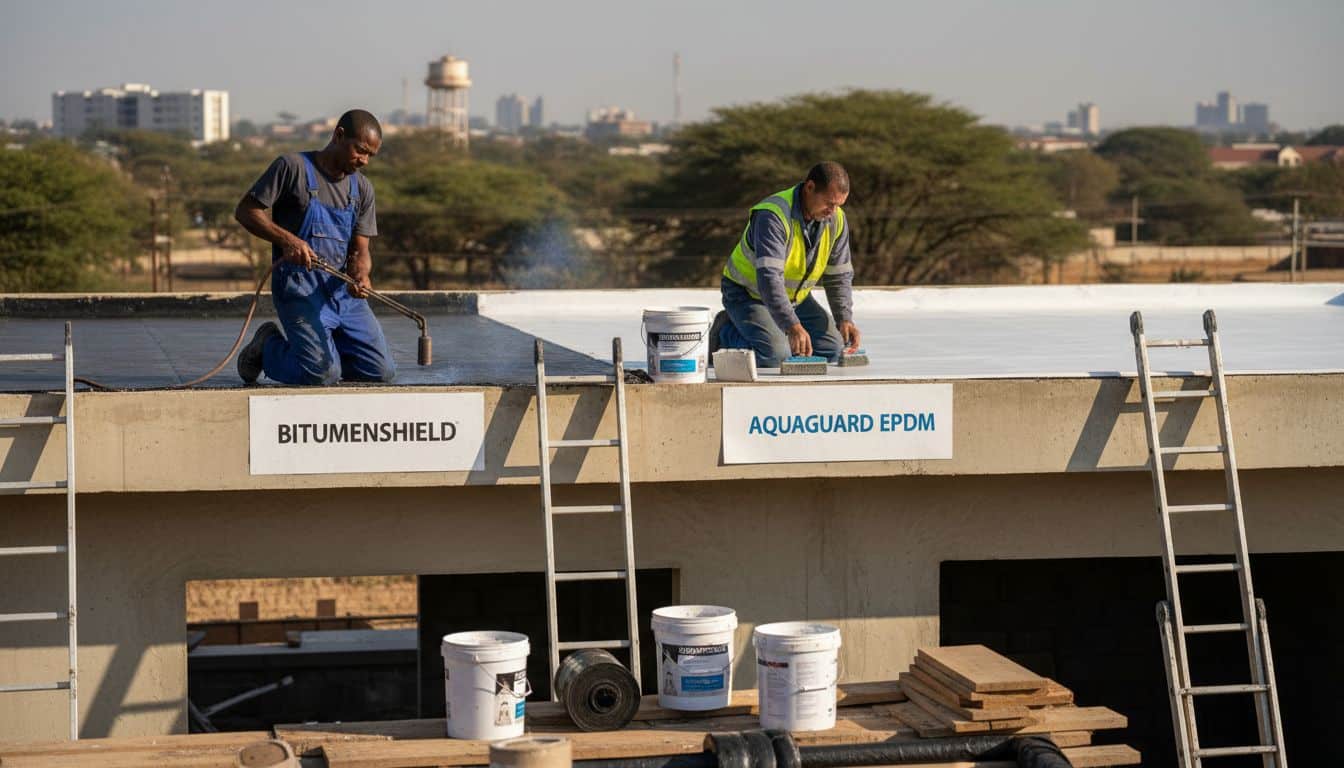
- Bituminous Waterproofing: Involves applying layers of bitumen mixed with polymers, creating a durable waterproof barrier
- EPDM Roofing: Offers excellent waterproofing with UV resistance and temperature adaptability
- PVC Membranes: Highly durable and chemically resistant, particularly popular for industrial roofing
Additional waterproofing systems include liquid-applied membranes, which provide seamless coverage, and sheet membrane systems that offer robust protection against water infiltration. Each system has distinct advantages depending on factors like roof slope, building usage, climate conditions, and budget constraints.
Professional selection and installation are crucial. Property owners must work closely with waterproofing experts to assess their specific needs, understanding that the right system can prevent costly structural damage and extend the roof’s functional lifespan. By carefully evaluating material properties, application techniques, and long-term performance characteristics, one can ensure comprehensive protection for their valuable property.
How Roof Waterproofing Works In Practice
Roof waterproofing is a complex process that involves strategic application of protective materials to create an impenetrable barrier against moisture. Roof Waterproofing Process highlights that successful implementation requires meticulous preparation, precise material selection, and expert application techniques.
Sanika emphasises that ridges and valleys represent the most critical areas for potential water penetration. To address these vulnerable points, professionals typically employ advanced techniques such as:
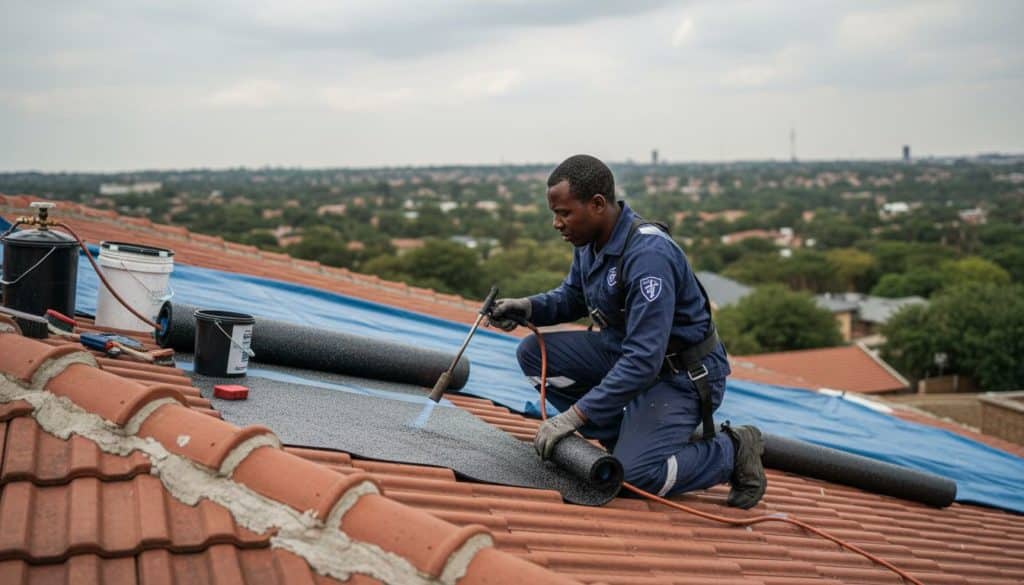
- Torch-on waterproofing membranes
- Non-woven polyester membranes
- 100% pure acrylic impregnation
The practical application of roof waterproofing involves several systematic steps. Initially, technicians conduct a comprehensive roof inspection to identify existing damage, structural weaknesses, and potential entry points for moisture. This diagnostic phase determines the most appropriate waterproofing strategy, considering factors like roof material, slope, age, and environmental conditions.
Subsequent stages include surface preparation, which involves cleaning, repairing minor damages, and creating a smooth substrate for membrane application. Skilled professionals then carefully apply selected waterproofing systems, ensuring complete coverage and paying exceptional attention to potential leak points like joints, seams, and architectural transitions. The goal is not just temporary protection, but creating a long-lasting, resilient barrier that safeguards the entire building infrastructure against water-related degradation.
Common Signs Of Roof Water Damage
Recognising roof water damage early can prevent catastrophic structural issues and costly repairs. Common Roof Issues highlights the critical importance of identifying subtle warning signs before they escalate into major problems.
Homeowners should remain vigilant and watch for these telltale indicators of potential water damage:
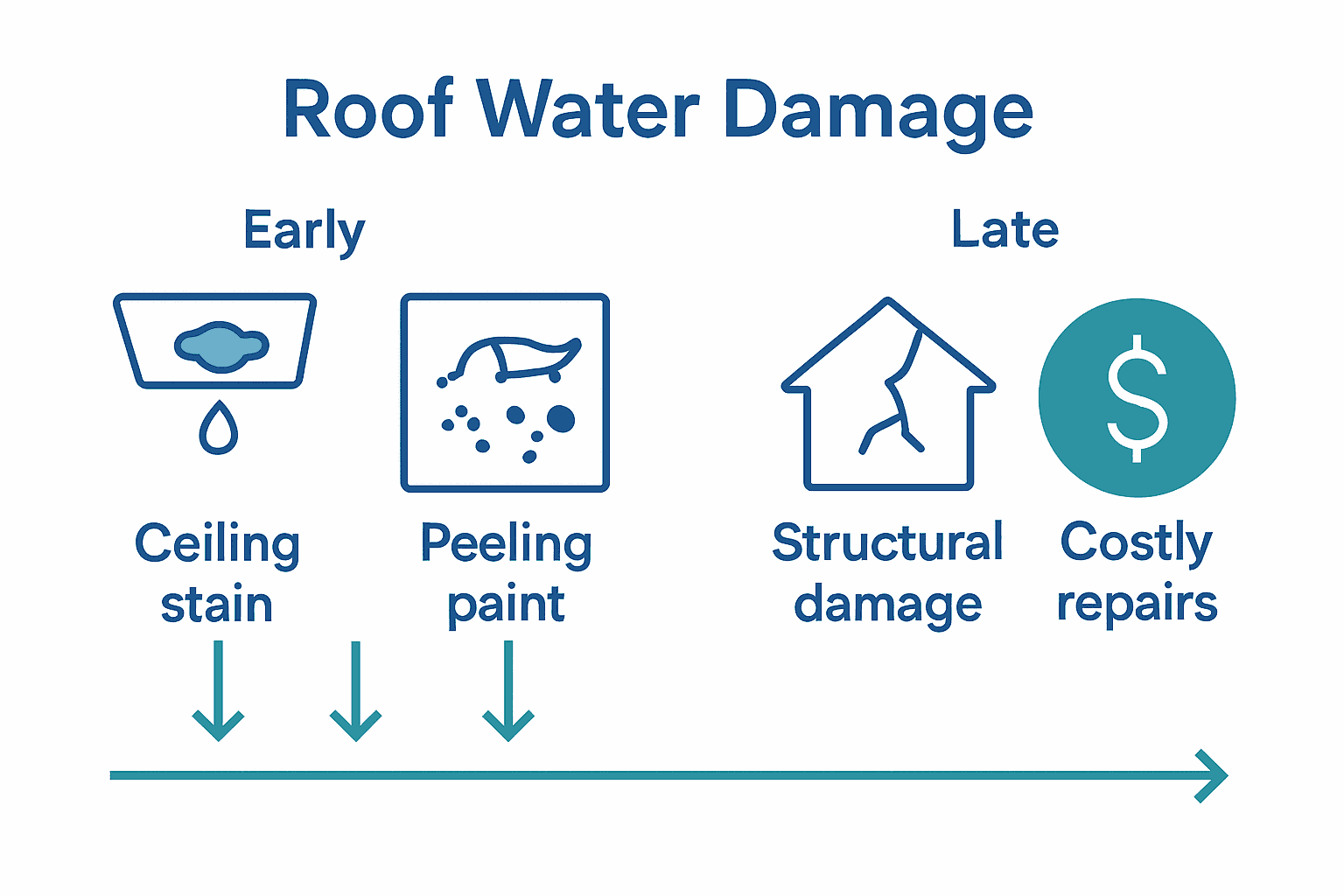
- Interior Ceiling Stains: Yellowish or brownish water marks
- Peeling Paint: Particularly around roof edges and ceiling perimeters
- Sagging Ceiling Sections: Indicating significant moisture accumulation
- Visible Mould Growth: Especially in attic or ceiling spaces
- Musty Odours: Suggesting hidden moisture problems
Structural deterioration often begins subtly, with water infiltration creating microscopic damage before visible signs emerge. Wooden roof structures are particularly vulnerable, as prolonged moisture exposure can lead to rot, warping, and potential structural compromise. Soft spots in roof decking, discoloured roof sheathing, and unexplained dampness in interior walls serve as critical early warning signals that demand immediate professional assessment.
Professional waterproofing experts recommend periodic roof inspections, especially after severe weather events. Early detection through comprehensive visual assessments and moisture mapping can prevent minor issues from transforming into extensive, financially devastating repairs. Property owners should treat unexpected water manifestations as urgent signals requiring professional intervention to maintain their building’s structural integrity and protect their long-term investment.
Selecting Contractors And Estimating Costs
Selecting the right waterproofing contractor is as critical as the waterproofing process itself. How to Select Waterproofing Contractor emphasises the importance of choosing a professional with proven expertise and a track record of successful installations.
The Handyman Johannesburg provides insight into the financial landscape of roof waterproofing, revealing that standard applications typically range from R70 to R250 per square metre. According to Exclusive Properties, total project costs can fluctuate dramatically, spanning from R1,000 to R100,000 depending on multiple factors.
Critical factors influencing contractor selection and project costs include:
- Roof size and complexity
- Current roof condition
- Selected waterproofing method
- Quality of materials used
- Contractor’s experience and reputation
Property owners should prioritise obtaining multiple detailed quotes, verifying contractor credentials, and understanding the comprehensive scope of work. This approach ensures not just competitive pricing, but also guarantees quality workmanship. Experienced professionals will conduct thorough initial assessments, provide transparent cost breakdowns, and offer warranties that protect your investment. Always request detailed written quotes, check professional certifications, and request references from previous clients to make an informed decision.
Secure Your Property with Expert Roof Waterproofing Solutions
Understanding the risks of water damage and the complex process of roof waterproofing emphasises the need for professional intervention. From preventing mould growth and structural decay to selecting the right waterproofing system, property owners face the challenge of protecting their most valuable asset effectively. At Pro Waterproofing, we specialise in delivering tailored solutions that address these pain points with precision and reliability.
Explore our detailed resources in the Uncategorized – Pro Waterproofing section to learn more about how professional waterproofing safeguards your home or business. Don’t wait for signs like ceiling stains or sagging to take action. Visit Pro Waterproofing to request a quote and connect with trustworthy contractors who prioritise quality, experience, and durable warranties. Protect your property now and secure peace of mind for the years ahead.
Frequently Asked Questions
What is roof waterproofing?
Roof waterproofing is a protective strategy designed to prevent moisture infiltration and damage to building structures. It involves applying specialised treatments and membranes to create an impenetrable barrier against water penetration, preserving the structural integrity and longevity of properties.
Why is roof waterproofing important?
Roof waterproofing is crucial as it prevents structural damage from water infiltration, reduces repair costs, enhances property value, mitigates health risks related to moisture, and extends the lifespan of roofing materials.
What are the common signs of roof water damage?
Common signs of roof water damage include interior ceiling stains, peeling paint, sagging ceiling sections, visible mould growth, and musty odours. Early detection of these signs is essential to prevent significant structural issues.
How do I select a waterproofing contractor?
When selecting a waterproofing contractor, prioritise those with proven expertise and positive references. Obtain multiple quotes, verify credentials, check for warranties, and ensure they conduct thorough initial assessments to ensure quality workmanship.
Recommended
- Roof Waterproofing Basics: Complete Guide for SA Properties
- A to Z of Roof Waterproofing – Pro Waterproofing
- Understanding Roof Waterproofing Explained: Essentials for Homeowners
- The Impact of Weather on Roof Waterproofing: What You Should Know
- Complete Guide to the Role of Roof Coatings – Liberty Roofworks
- What is Ponding Water? Understanding Its Impact – Liberty Roofworks