
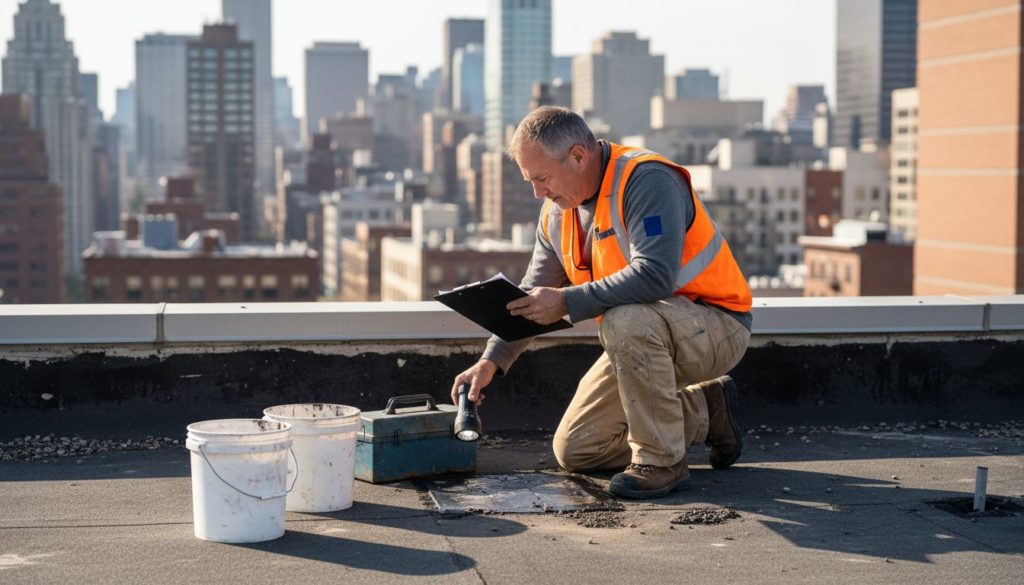
Water damage remains one of the most common and costly threats to British buildings, with repairs reaching millions each year. Understanding the current state of your waterproofing system is vital for protecting your property from unexpected deterioration. This guide breaks down each stage of effective maintenance, empowering you with clear, step by step strategies to extend the lifespan and safety of your British property.
Table of Contents
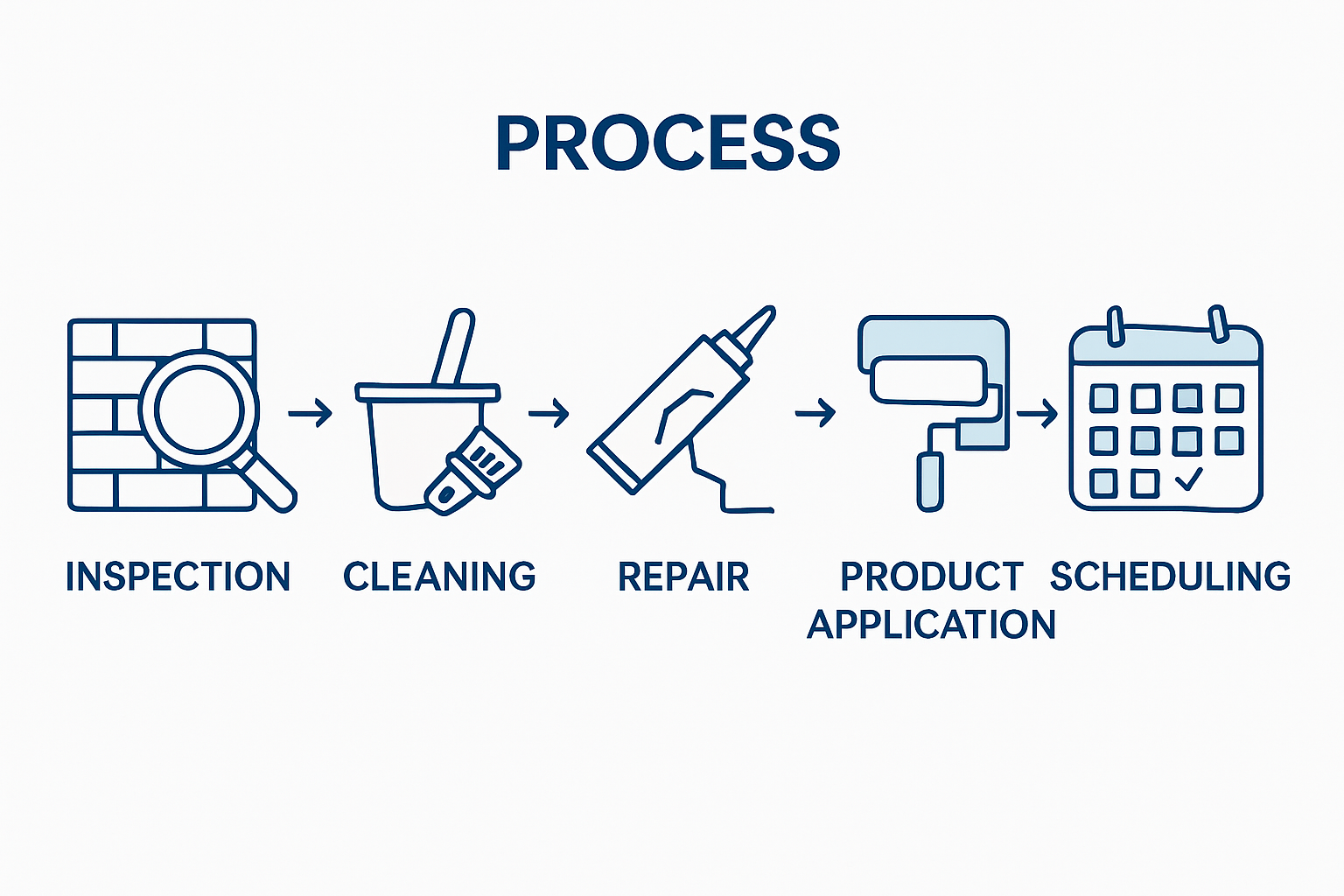
- Stage 1: Assess Existing Waterproofing Conditions
- Stage 2: Clean and Prepare Surface Areas
- Stage 3: Identify and Repair Damaged Sections
- Stage 4: Apply Suitable Maintenance Products
- Stage 5: Inspect Results and Schedule Future Checks
Quick Summary
| Key Message | Description |
|---|---|
| 1. Regular inspections are essential | Conduct assessments at least twice a year to catch early signs of waterproofing failure before they escalate into major repairs. |
| 2. Thorough surface preparation is crucial | Clean and repair surface defects to ensure optimal adhesion of waterproofing membranes, preventing future failures. |
| 3. Always document your findings | Take detailed notes and photographs during inspections to track issues and monitor progression over time. |
| 4. Use appropriate repair materials | Choose specialised products for repairs and waterproofing applications to enhance structural integrity and moisture resistance. |
| 5. Establish a future inspection schedule | Implement a structured inspection routine to maintain the waterproofing system and prevent costly structural damage. |
Stage 1: Assess Existing Waterproofing Conditions
Assessing the current condition of your waterproofing system represents the critical first step in maintaining long-lasting structural protection. This process involves a systematic visual inspection and strategic evaluation to identify potential vulnerabilities before they escalate into significant problems.
Begin your assessment by carefully examining all exposed surfaces for signs of moisture penetration, such as water stains, discolouration, or subtle dampness. Regular maintenance inspections are crucial for detecting early warning signals that might indicate underlying waterproofing deterioration. Pay special attention to areas prone to water exposure like basement walls, roof edges, foundation interfaces, and exterior wall junctions.
During your inspection, document each observed issue with detailed notes and photographs. Look for specific indicators of potential waterproofing failure including hairline cracks, peeling paint, efflorescence (white powdery residue), mould growth, and uneven surface textures. While some minor imperfections might seem inconsequential, they can quickly develop into more serious structural compromises if left unaddressed. Professional waterproofing experts recommend comprehensive assessments at least twice annually to ensure your protective systems remain robust and functional.
Warning: Never ignore even small signs of water intrusion. What appears to be a minor leak can rapidly transform into extensive damage requiring costly repairs if not promptly investigated and remediated.
Stage 2: Clean and Prepare Surface Areas
Cleaning and preparing surface areas is a fundamental step in creating a robust waterproofing system that ensures long lasting protection. This critical stage involves thoroughly removing contaminants and creating an ideal surface for waterproofing membrane application.
Substrate preparation represents a crucial phase for achieving effective waterproofing results. Begin by removing all loose debris, dust, and existing flaking materials using heavy duty wire brushes, industrial vacuum cleaners, or pressure washing equipment. Focus on eliminating oil stains, paint residues, and biological growths like moss or algae that could compromise the adhesion of waterproofing membranes. For concrete surfaces, consider mechanical grinding or shot blasting to create a clean textured surface that promotes superior membrane bonding.
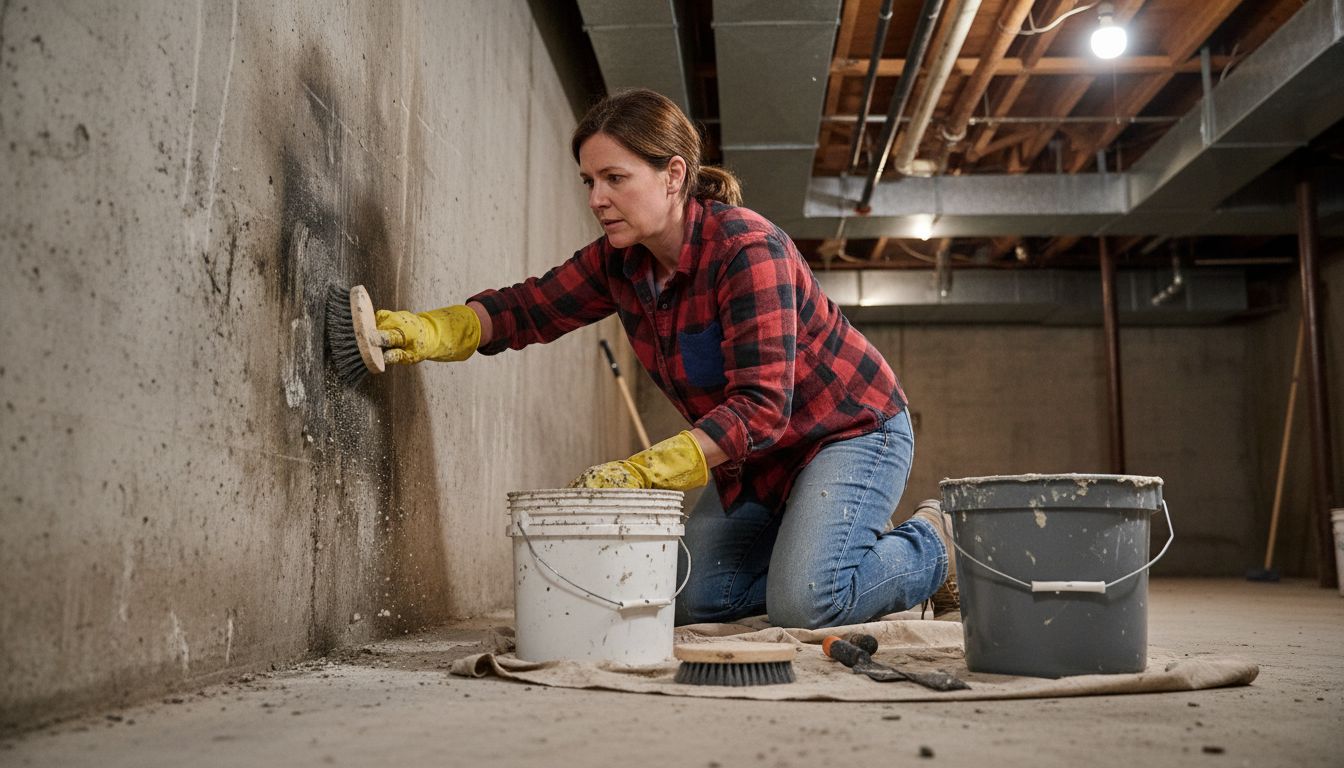
Pay particular attention to addressing surface defects such as cracks, holes, or uneven areas. Use specialised repair compounds designed for concrete restoration to fill and smooth these imperfections. Ensure that repair materials are fully cured and compatible with your intended waterproofing system. Inspect the surface for structural integrity and address any underlying issues before proceeding with waterproofing application.
Warning: Inadequate surface preparation can lead to premature waterproofing failure. Take time to meticulously clean and repair surfaces to guarantee optimal protection and longevity of your waterproofing investment.
Stage 3: Identify and Repair Damaged Sections
Identifying and repairing damaged waterproofing sections is a critical maintenance task that prevents extensive structural deterioration and costly future repairs. This stage requires careful inspection and strategic intervention to address potential vulnerabilities in your waterproofing system.
Regular maintenance inspections are essential for detecting early signs of waterproofing system failure. Begin by thoroughly examining all surfaces for subtle indicators of damage such as hairline cracks, areas of moisture penetration, discolouration, or structural deformations. Pay special attention to high risk zones like foundation interfaces, roof edges, basement walls, and areas with previous water exposure. Use a systematic approach to document each observed issue with precise measurements, detailed notes, and photographic evidence to track potential progression of damage.
When repairing damaged sections, select appropriate repair materials specifically designed for waterproofing applications. For concrete surfaces, use specialised repair compounds that provide structural reinforcement and moisture resistance. Ensure complete removal of deteriorated materials before applying new waterproofing treatments, creating a clean and stable surface for optimal adhesion. Professional waterproofing technicians recommend addressing even minor imperfections immediately to prevent escalation into more significant structural complications.
Warning: Neglecting small areas of damage can rapidly lead to extensive water infiltration and potentially catastrophic structural integrity issues. Proactive and timely repairs are significantly more cost effective than comprehensive system replacements.
Stage 4: Apply Suitable Maintenance Products
Applying suitable maintenance products is a critical step in preserving the integrity and longevity of your waterproofing system. This stage requires careful selection of specialised treatments that match your specific surface conditions and environmental challenges.
Waterproofing application methodology demands precise preparation and technique to ensure optimal protection. Begin by selecting products specifically designed for your surface type concrete, masonry, or specialised architectural materials. Mix waterproofing compounds thoroughly to achieve a consistent lump free slurry paying close attention to manufacturer instructions regarding water ratios and application temperatures. When applying the product use professional grade tools like rollers or specialised brushes to create an even uniform coating that covers all potential moisture entry points.
Carefully inspect the surface before application to confirm complete surface preparation. Apply the waterproofing product in multiple thin layers rather than one thick application allowing sufficient drying time between coats. Professional technicians recommend using products with elastomeric properties that can expand and contract with structural movements preventing potential cracking. Pay particular attention to critical junction points like wall floor interfaces basement perimeters and areas with previous moisture intrusion.
Warning: Incorrect product selection or improper application can compromise your entire waterproofing system. Always consult manufacturer specifications and consider professional guidance when dealing with complex or large scale waterproofing maintenance projects.
Stage 5: Inspect Results and Schedule Future Checks
Inspecting the results of your waterproofing maintenance and establishing a systematic future inspection schedule is the final crucial step in ensuring long lasting protection for your property. This stage transforms your maintenance efforts from reactive repairs to proactive preservation.
Regular maintenance inspections are fundamental to detecting early signs of potential vulnerabilities. Immediately after applying maintenance products conduct a comprehensive visual assessment examining the entire treated surface for uniformity consistency and complete coverage. Look for any areas of uneven application potential missed spots or subtle indications of moisture penetration. Use bright lighting and potentially moisture detection tools to identify even microscopic imperfections that could compromise your waterproofing system.
Develop a structured inspection schedule tailored to your specific environmental conditions and property characteristics. Professional waterproofing technicians recommend comprehensive evaluations at least twice annually with additional spot checks following extreme weather events. Document each inspection meticulously including photographic evidence precise measurements and notes about observed conditions. Create a standardised inspection checklist that covers critical areas such as foundation interfaces roof edges basement walls and other potential moisture entry points. Consider maintaining a digital maintenance log to track the progression of your waterproofing system performance over time.
Warning: Inconsistent or neglected inspections can rapidly transform minor potential issues into extensive and expensive structural damage. Commitment to systematic monitoring is your most effective strategy for preserving your property’s integrity and preventing costly future repairs.
Ensure Your Waterproofing System Provides Lasting Protection with Expert Support
Maintaining your waterproofing system involves careful assessment, thorough surface preparation, timely repairs, and the application of suitable maintenance products to prevent costly damage. If you have noticed early signs of moisture penetration or want to stay ahead with a proactive maintenance schedule, it is essential to trust professionals who understand these critical phases deeply. At Pro Waterproofing, we specialise in tailored solutions for residential, commercial, and industrial properties throughout South Africa, helping you safeguard your investment with industry-leading expertise.
Don’t wait until minor cracks or damp patches become major problems. Explore our range of expert advice and services within our Uncategorized – Pro Waterproofing category and take advantage of professional inspections and maintenance plans designed precisely for your property’s needs. Visit Pro Waterproofing today to request a quote or connect with trusted contractors who prioritise quality, experience, and long-term warranties. Protect your property now with confidence and thorough care.
Frequently Asked Questions
How often should I assess my waterproofing system?
Assess your waterproofing system at least twice a year to detect early signs of deterioration. Schedule inspections before and after extreme weather events to ensure all protective features are functioning effectively.
What steps should I take to prepare surfaces for waterproofing?
Thoroughly clean and repair surface areas before applying waterproofing products. Use heavy duty brushes and vacuum equipment to eliminate debris, and address cracks or imperfections by filling them with suitable repair compounds.
How can I identify areas of damage in my waterproofing system?
Carefully examine all surfaces for signs of damage such as discolouration, hairline cracks, or moisture penetration. Document any issues you find with notes and photographs to help track the progression of damage.
What type of maintenance products should I use for waterproofing?
Select maintenance products tailored to your specific surface type, such as concrete or masonry. Ensure that these products have elastomeric properties for flexibility and apply them in thin layers, allowing adequate drying time between coats.
How can I ensure my waterproofing system remains effective?
Conduct regular inspections and create a maintenance log to monitor system performance over time. Schedule comprehensive evaluations at least twice a year and especially after severe weather conditions to catch potential issues early.
What should I do after applying maintenance products to my waterproofing system?
Immediately inspect the treated surfaces for uniformity and complete coverage. Look for any missed spots or irregularities, and address any issues promptly to maintain the integrity of your waterproofing system.